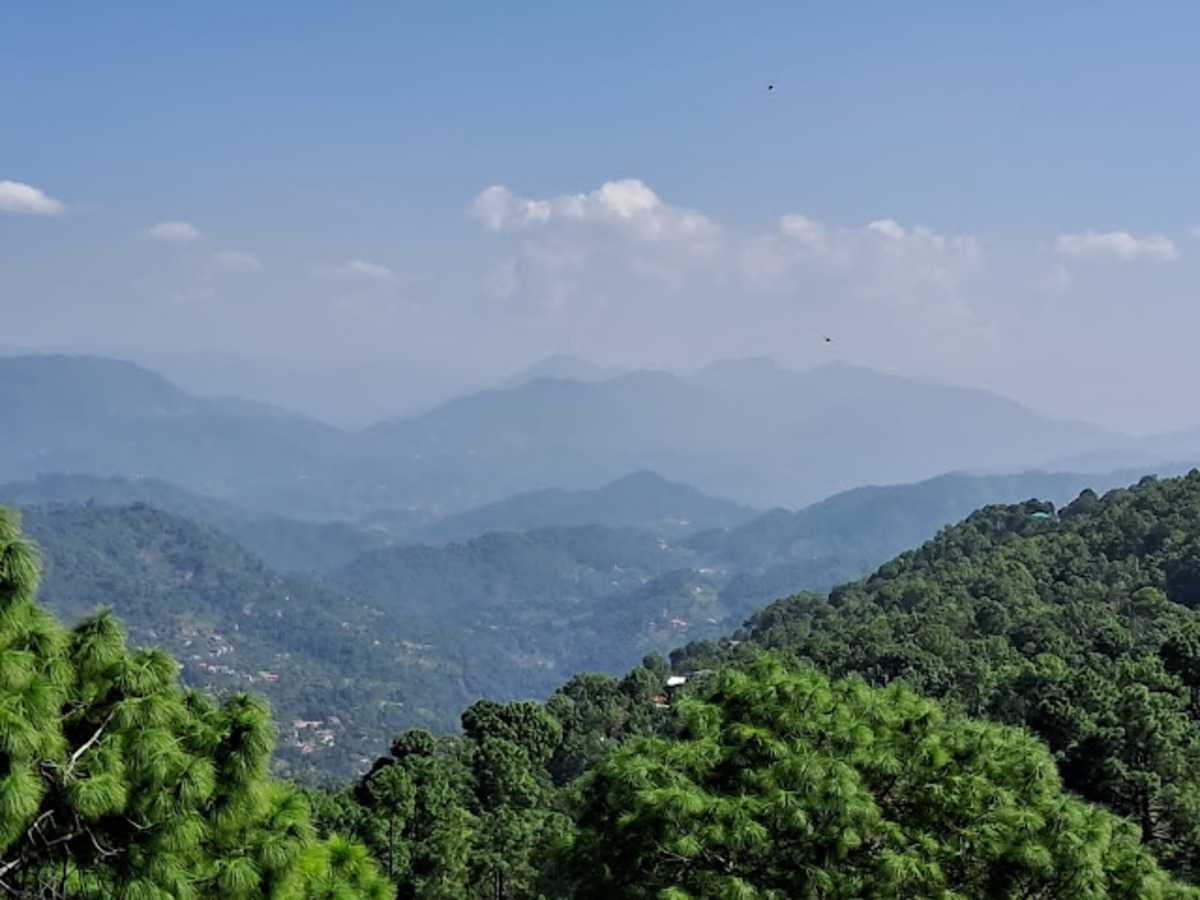
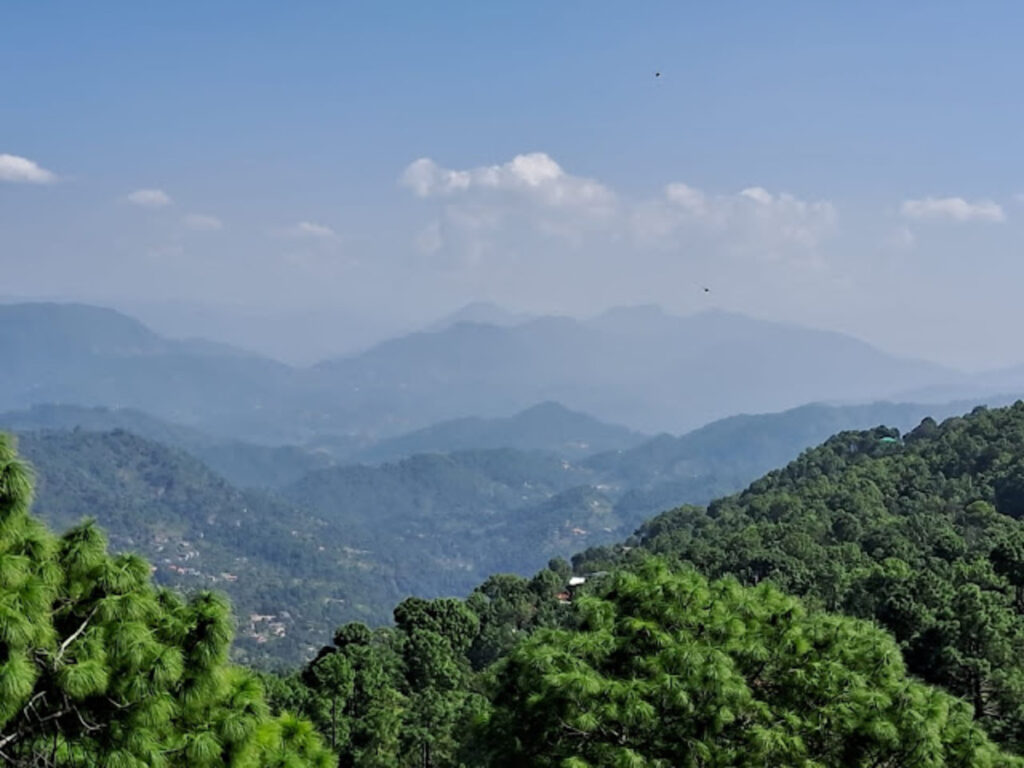
Imagine what it feels like to be an imprisoner or a prisoner (whichever your imagination prefers) atop a beautiful hilltop, but with no windows to be able to see the boundless natural beauty outside. To get the closest feeling, you must visit Dagshai, located in the Solan district of Himachal Pradesh (about 60 kms from Chandigarh).
The Dagshai area hosts a number of cool things to fill your itinerary for a day.
You can spend some time:
- Trekking the area as it has cute isolated views featuring pines and surrounding hills at a height of 1,734 meters or 5,689 feet
- Stroll the small civilian town and its schools
- Visit the British-era graveyard overlooking the valley (if you feel brave enough!)
- Get a feel for why this place was used as a sanatorium for TB patients by the British
- But to get thoroughly steeped into its palpable history, you have to visit the fascinating Dagshai Heritage Jail Museum built in the 1800s and very well-preserved to date (probably because it’s a cantonment area). I have added a few pictures from my own trip for reference here. Interestingly, Dagshai gets its name from the Mughal times when the criminals sent to the village were etched on their foreheads with the “royal mark”, hence appropriately named “Daagh-e-Shahi”. I guess this was their own version of the ‘scarlet letter’ during that time.
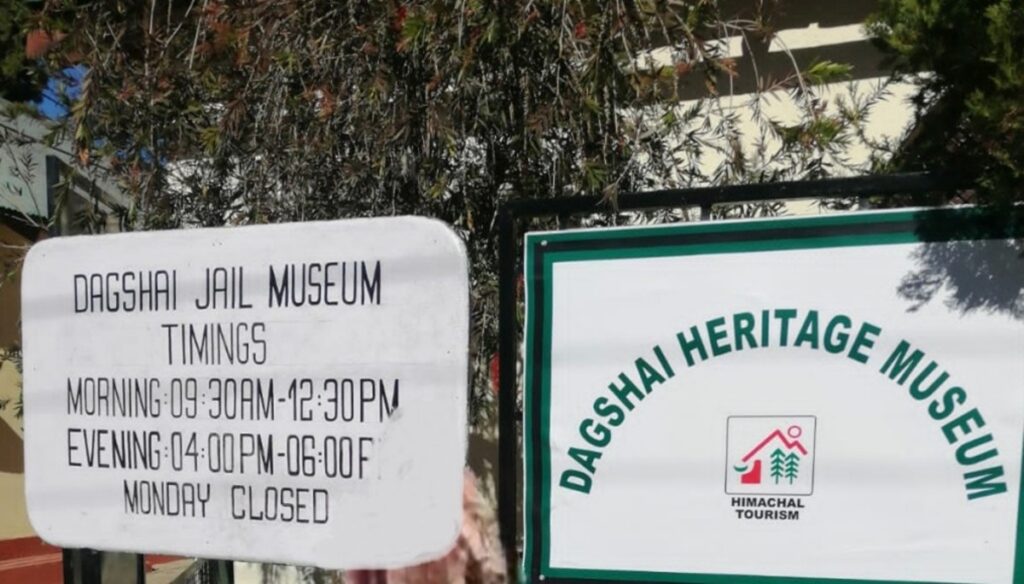
A short but steep single-lane drive among the hillocks steering away from Dharampur on the Chandigarh-Shimla highway, plan your getaway drive with your own eating essentials and possibly between 9 am and 6 pm to make the most of the day so you don’t miss the museum hours (ideally during the Spring or Fall weathers). You won’t find any eateries there and be careful of setting up a picnic mat outside as the monkeys may charge on you. But as you ascend towards the top, the vistas are breath-taking and the air is so fresh (and hence, good for those recovering TB patients in the past).
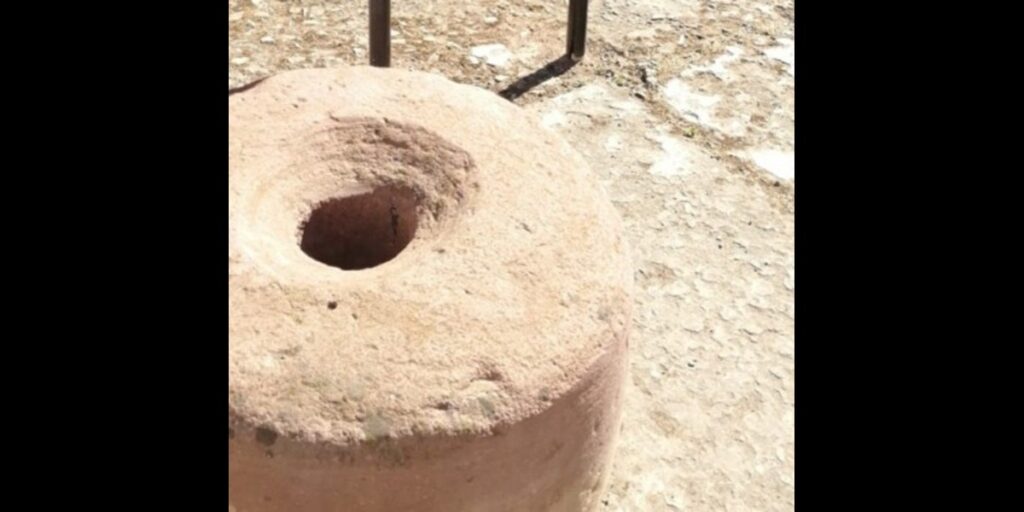
You can see remnants of local traditional masonry both outside (like an old clay mortar grinder shown on the right) as well as inside the jail museum, so pay close attention at every step you take.
Once inside the museum, you forget all about the expansive beauty of the surrounding hills, a view that is impenetrable from the cell walls that lack any windows (Of course! It’s a jail, what did you expect?).
Right at the beginning, you meet a dummy wearing a prisoner’s garb standing behind a cell, small enough to barely fit a standing man (a special kind of punishment during those times for notorious criminals – with absolutely no room allowed to stretch!).
Painted ghostly white, the numerous jail cells make a tedious and puzzling layout. One finds several interesting details about the jail’s architecture such as its unique underground ventilation system as well as the sole illumination window that gives the whole jail an eerie sense of lighting. While it is well-ventilated, you can’t help but notice a weird smell of the past that lingers along the dark cramped spaces.
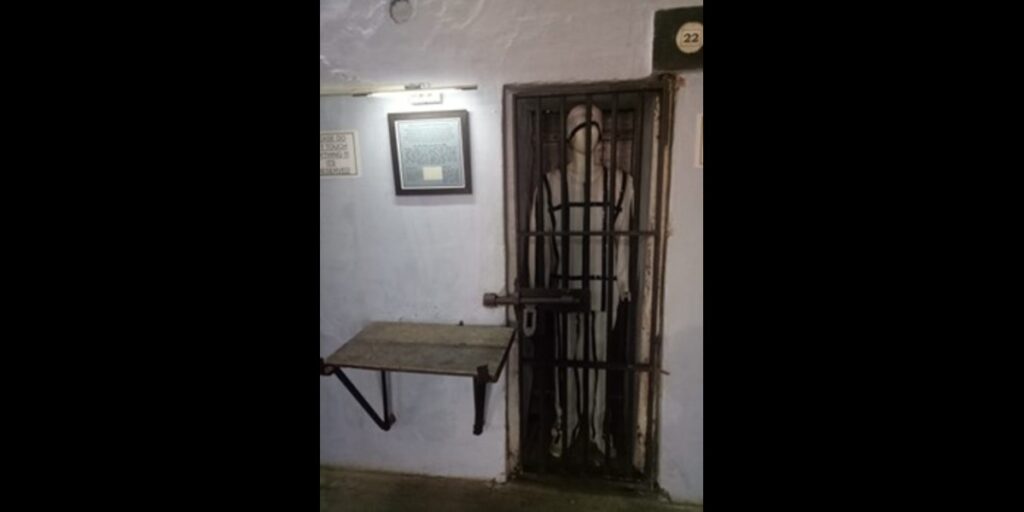
Not sure why but I had an ominous sense of foreboding as I entered from one cell to the next. Each cell seemed to have trapped not just prisoners, but also their stories (don’t forget to explore the specific cell that housed both Gandhi and Godse ironically!).
I leave it up to you to read about the historical details of the ordinaries to the revolutionaries imprisoned there.
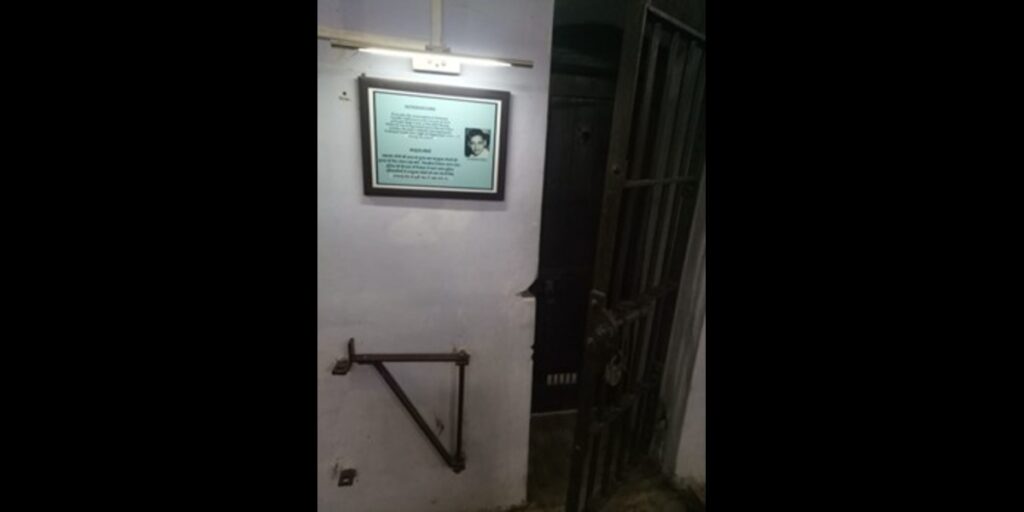
But I will tell you how it felt to see some of the dreadful aspects like the remains of the torture tools embellished inside on the cell walls as well as the execution stone placed outside where prisoners seemed to have been executed right underneath this nature haven.
Gut-wrenching! – especially after reading about the different kinds of prisoners confined there over time in history and the curated torture techniques used on them.
Make sure you read along the historical snippets pasted on the walls and let your imagination sore to the eras gone by.
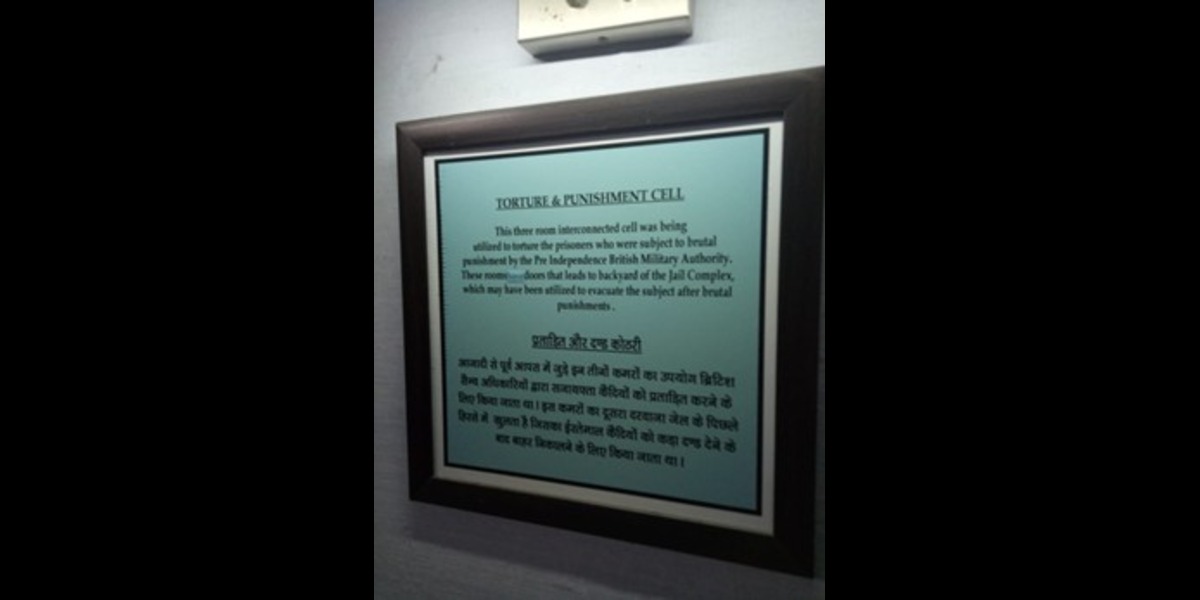
I certainly felt heavy after the visit to the jail museum but that did not deter me from exploring the nearby graveyard and another small historical army museum that was luckily open at the time. I heard some unique stories about individuals that laid buried in that graveyard (One white sculpted grave boasts of its supposed ability to induce conception and hence, considered a sort of pilgrimage for childless couples – a very intriguing story about this ‘Mem ki qabr’!). My suggestion – approach the army guards that you see there and ask all about things to explore around, including any possible guided tours.
This was such a unique and memorable trip for me where ghosts of the not-so-distant past seemed to have made their presence felt. While this trip is not for the faint-hearted, it is a must make-it for the adventure-seeking and the nature-loving. If you are in the area, plan a one-day trip to Dagshai and let the power of storytelling grip you. I was certainly mesmerized by the stories which I reflected upon my drive back while viewing the beautiful sunset in my rear-view mirror. Happy Traveling!
